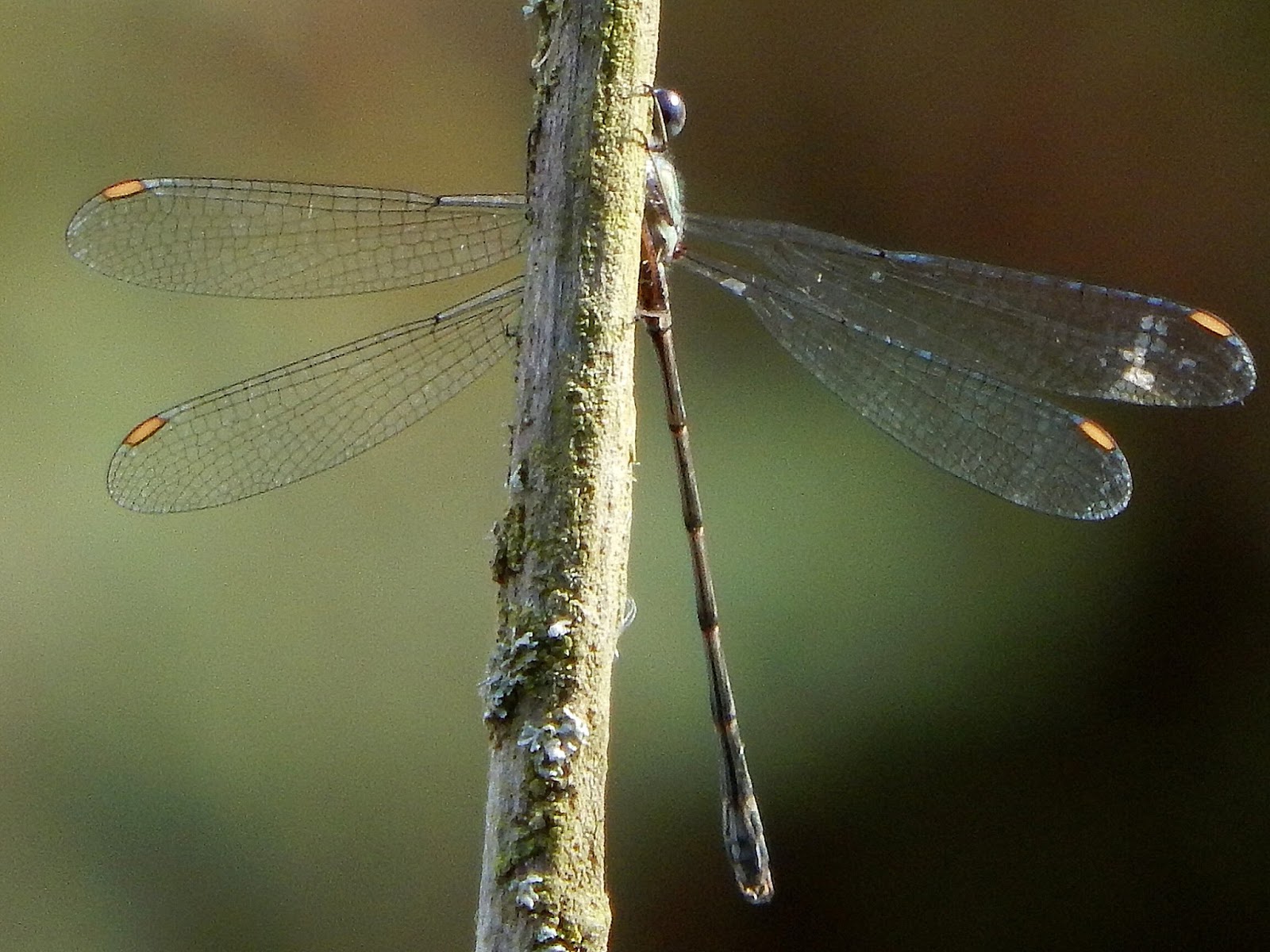
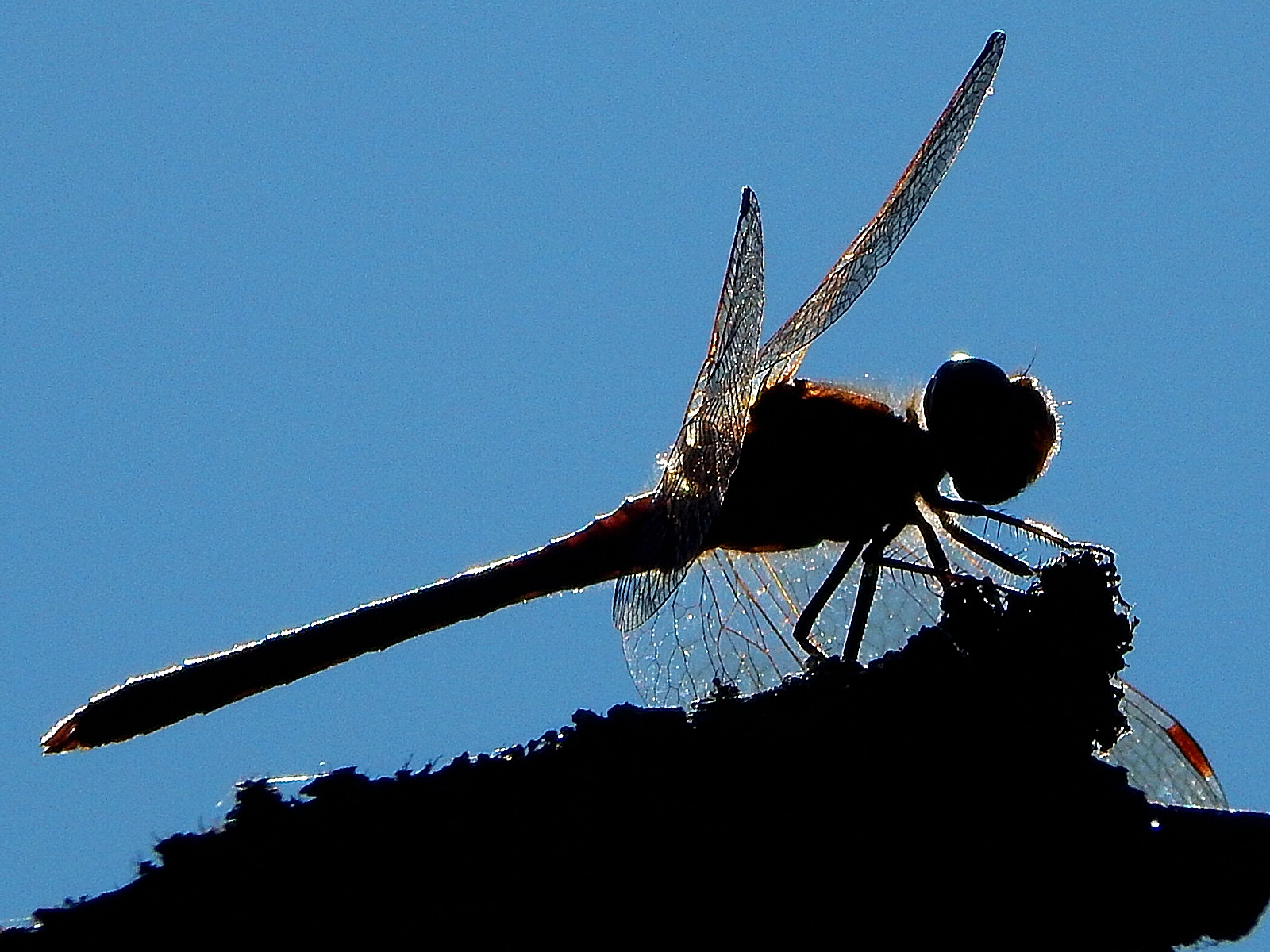
Sunday, 10 September 2017

Run of the Mill

Not one of my most interesting days if I'm honest but still a few things to report as I repeated my walk of last week travelling around the Deenethorpe, Deene and Priors Hall area. Lots of sunshine first thing and conditions were quite pleasant though clouds took over from around about 9 o'clock.
A bit of this may be required if I want ot see more interesting stuff.

Bear's Lane had lots of Chaffinches in particular which may have included some migrants while numbers of Swallows continue to build. It may have been the promise of an easy meal that drew in a Hobby though this one was being pursued by two Carrion Crows so food may not have been its first priority. Still, Hobbies have been hard to come by for me this year so it was great to catch up with one. A few warblers along the lane included Chiffies, a Willow Warbler or two and Whitethroat.
Hornet enjoying a fruity breakfast.

For a third week in a row I was lucky enough to encounter Hornets and this time at least one of them fancied fruit for breakfast and so the other insects could live in peace. A first Red Admiral, one of five seen today, showed briefly but this was not a good day for insect watching. Lots of newly released Pheasants and Red-legged Partridges were about in the countryside around Deenethorpe Airfield, I can't believe that these creatures provide any sport being as they are so approachable and tame. Still if people derive their enjoyment from recreational killing who am I to judge? At least the shoots around here appear to leave our raptors alone.
Living targets, newly released R-l Partridges.

I was hoping to catch up with some passage migrants today and there were loads at the airfield but sadly for me they were all Meadow Pipits, at least sixty of them in fact. Plenty of the resident species here too with rather a lot of seed eaters such as Linnets and buntings. A Raven was seen to drive a Kestrel off and there was an impressive number of Red Kites on the wing.
Lots of Meadow Pipits moving through.
Linnets.

Deene Lake inflow was awash, the rains of the last week raising the water level and covering most of the mud. A result of this was that Green Sand numbers had dropped to one and that a lot of Teal had moved in. The Wheelie Bin Triangle was privileged to receive a royal visitor in the shape of a Kingfisher while the Lapwing flock had moved on. Nearby Deene churchyard had four Mistle Thrushes feeding on the many Yew berries, a big reduction from the twenty plus of last week but still nice to see while a Nuthatch was my first here.
Teal.

There has been a festival in Deene Park over the weekend which meant traffic was far greater than usual and there was a rise in the amount of rubbish around the area, Why can't people take their booze cans and bottles home with them? I enjoy a swig or two but I don't subject others to my rubbish. I don't want to come across like some grumpy old man but the selfishness and laziness of these morons really annoys me.
Insects were scarce today so this Common Darter was a good find.

Drizzle welcomed me to Priors Hall and although it passed over quickly it was enough to stop me from hanging about. A meagre haul of three Common Darters represented my total of dragonflies while rather a lot of Speckled Woods meant that my butterfly total doubled. The lake in the quarry held a good number of gulls but not much else. Priors Hall did though provide my rarest sighting for a while, an Avro Anson C 19 which made a welcome appearance.
Avro Anson C19.

Wednesday, 6 September 2017

If You go Down to the Woods Today... You Probably won't See That Much Actually.

A spell of sunshine after work was enough to see me heading out over to Eurohub for a look at the pond. I was continuing my optimistic or perhaps just plain fanciful search for Willow Emeralds. In this I was completely unsuccessful and indeed the only dragonfly of any sort seen today was a brief view of a female Southern Hawker. Butterflies too were in short supply with only Small White and Speckled Wood recorded. Birds fared a little better with a few sightings of a Kingfisher but all in all it was not a day to remember. A few more habitat shots of the pond below.
Two views taken from each end of the Eurohub pond.

Monday, 4 September 2017

The Wicky Man

With the Summer holidays now over I thought I might be able to enjoy a quieter visit to Wicksteed Park over in Kettering. As a result of the new school year beginning my bus was full of pupils heading out to be educated. I didn't know that "innitlikebro" was a word before and while I still have no clue as to its meaning I'm still glad to have been educated a little myself. The 7.56 bus left the train station in Corby at the same time as a train and I have a worrying suspicion that the train was reaching London at about the same time that I got off my bus, it's not an express service by any means. Had to admire the driver though, she was more like a modern day Boudicca at the reins of her chariot, fare blaggers were sent packing with a quick word while dodgy drivers were vanquished with a loud blast from the bus's horn. Always a pleasure to see a craftsperson at work.
A good place for a stag do.

With the weather a bit on the dismal side there was no prospect of insect activity and so I enjoyed what the birdlife had to offer. A Kingfisher was seen on several occasions, the colours always seem that little bit more HD in such conditions. Other fish botherers included a Cormorant, three Grey Herons and a pair of Little Egrets. The herons in particular seem accustomed to people and allowed a surprisingly close approach.
Kingfisher.
Grey Heron.

Not many ducks to watch and aside from three Shovellers consisted solely of a large number of Mallards. A pair of late nesting Great Crested Grebes sent a juvenile from another brood packing, there was at least one other young 'un about. Other successful breeders included Mute Swan, Moorhen and Coot. A growing flock of Black-headed Gulls had been joined by some Commons though I couldn't pick out anything else amongst them.
Little Egret shining in the dull conditions.
These looked pretty good too.

Quite a lot of passerine activity with several large flocks of tits roving around and also a few warblers such as Chiffchaff and Blackcap. A Great Spotted Woodpecker did pose obligingly in a dead tree but the duff light meant that any picture would have been pretty awful. This was not a problem though with a couple of Peacocks, they positively gleamed and looked as resplendent as ever.
Great Crested Grebes.
Simples me duck. No Russian accents for Kettering Meer cats.

A few non birdy things, the little trains are still giving rides around the park which meant taking a little more care when walking near the tracks, even a titchy train must hurt if it hits you!. Another and a rather impressive sight at that was a wicker sort of stag man thingy, I thought that the people of Kettering had been converted to Christianity but now I'm not so sure. If I'd seen anyone that looked remotely like Christopher Lee I'd have done a runner. One final thing, Wicksteed now has some Meer cats and I absolutely had to go and have a squint at them even if they did seem to be missing the African sun and appeared a bit dejected. Not sure if they had Russian or Kettering accents though.

Sunday, 3 September 2017

Hazy Day of Autumn

A distinctly Autumnal chill in the air this morning that the occasional periods of weak and watery sunshine struggled to dispel. In fact Autumn definitely seemed to have gained the upper hand today with more and more leaves turning either yellow or orange. Lots of fruit about too with blackberries in particular hanging heavy on the bush. Elsewhere elderberries joined crab apples, haws, hips and sloes as well as hazel nuts and acorns in providing a banquet for the local wildlife.
Swallows choosing a natural spot to perch on.

Thinking that the conditions would not suit insects I picked what I hoped would be a decent route for birding taking in Weldon, Deenethorpe and Deene on my travels. At Bears Lane near Weldon a collection of the commoner bird species were noted while there was a Yellow Wagtail on the grass airstrip near Laundimer House, A Sparrowhawk flying low and fast had me thinking briefly of Merlin but the only falcon seen was a Kestrel.
Hornet on the look out for food.

Talking the public footpath across the fields I came across a patch of ivy in the hedgerow that leads down to the A427. For the second week running the ivy had attracted some insect life which in turn had served as a lure for some marauding Hornets. Several were hunting around the flowers and I watched one seize some prey before stinging it and then landing on some grass. The Hornet spent at least two minutes dealing with its victim, in this case a wasp, before flying away.
Good news for the Hornet, bad news for the wasp.

Very few butterflies about with just a few Speckled Woods and some Small Whites joining a Red Admiral on my day list. A dull period enlivened by two more Yellow Wagtails at Deenethorpe Airfield was only relieved at Deene Lake inflow. Here five Green Sandpipers were feeding and there were at least twenty five Lapwings. Good numbers of Moorhens and a few Teal fed around the WBT but there was not much else of note.
Green Sandpipers at Deene Lake.
Lapwings.

Behind the dam on the main lake I found at least two Small Red-eyed Damsels next to the stream where the family party of Grey Wagtails were still present. In the same area there were a couple of Blue-tailed Damsels and half a dozen Common Blues. One of the latter provided some elevensies for a female Southern Hawker. She made short order of her snack and was left with what looked like a blue lollipop stick within less than a minute after its capture as both the head and the thorax were munched first leaving just the thin abdomen which was then in turn discarded.
Small Red-eyed Damsel.
Southern Hawker and a bit of a Common Blue Damsel.

At the Home Farm ponds a small group of wildfowl included at least three Shovellers and a female Brown Hawker was seen ovipositing. From here conscious as I was of the increasingly threatening looking skies I headed home. Passing through the Priors Hall area I added more butterflies to my list with Small Heath, Green-veined White and Small Tortoiseshell being seen. Both species of darters and a few further sightings of Southern Hawker completed the tally of interesting stuff.
Compare the skies behind this kite with last week, not good!
Common Darter.

Thursday, 31 August 2017

I Love it When a Plan Comes Together

More updates from the county dragonfly recorder on the Willow Emerald situation at Finedon Pocket Park was enough to have me on the lift scrounge once again. Luckily for me another local naturalist was as keen to see them as I was and so once the boring business of work had been concluded we set off on our quest.
Life and county first, a Willow Emerald.

Within a couple of minutes of arriving we managed to pick one out on a bare branch belonging to one of the small willows growing out of the water. It hung around long enough for some photographs before promptly disappearing. Although we searched rather intently we could not find it or any others for that matter during the rest of our stay. A new species and in the county too so not a bad way of passing an hour or two.
Another view of the main attraction.

A sighting of a male Emerald meant a first double emerald day in Northants and other damsels included five Blue-tailed and a Common Blue. Dragons were represented by the darter duo and a trio of hawkers. Once again a female Southern teased but always flew off before any piccies could be taken. An ovipositing Migrant on the other hand was most obliging and posed nicely.
Yet another picture of Emerald.

Not much else of note though Peacock, Red Admiral, Large and Small White were seen while a Buzzard mewled overhead.
Migrant Hawker.

Monday, 28 August 2017

Bank Holiday Wanderings

A return visit to Priors Hall as it has once again become one of my favoured nature spotting spots. I thought that the continuing housing development would have put paid to any wildlife of note but am more than happy to have been proved wrong. With the promised sun blazing down I hoped for some insect activity and while numbers of both species and individuals are dropping it was still a good day.
Small Whites are very common at the moment.

The flooded quarry did not hold much of interest apart from the commoner water birds and a Kestrel and I soon left it behind to explore the other areas. Small Whites are getting very common now and far outnumber most other species. Only Speckled Woods are providing any competition and on the edge of woodland many could be seen scrapping with each other or sunbathing. They were joined in the latter activity by many Common Darters which are certainly living up to their name at the mo.
Brimstone.

A walk across the huge field covered in sow thistles produced a sighting of a Clouded Yellow which was sent packing by an argumentative Small Heath. Several tired looking Common Blues frequented the same area and at least three Brimstones, two males and a female, were seen. Up to three Brown Hares showed during my visit though they were hard to see amongst the tall thistles. A few Small Torts were feeding on the yellow flowers, Red Admirals seem to prefer the brambles.
Emerald Damsel.

Around the ponds there were a few Migrant Hawkers while male Southern Hawkers had staked out territories over several of them. Darter numbers are very high and many pairs were ovipositing though a solo female Common egg laying was unusual, they normally lay while still coupled. Many Emeralds were seen today and some provided some excellent views, I did look for Willows but couldn't find any. Only a single Common Blue Damsel was found, they may be coming to the end of their season.
The cryptically coloured underside of a Comma.

Returning to the two largest ponds I was delighted to flush a Grass Snake, it's been a while since I saw one and it joined two Common Lizards that had been seen earlier. Two species of reptile in a day is not something I see often in the county, wish that I could have photographed the snake though!
The first pond at Priors.

As I was leaving I stopped to confirm Green-veined White for the day list where it joined a single Comma. While looking at the butterfly a moth feeding on ragwort which I took to be a Silver-Y was photographed. A quick look at the pictures revealed something different, the good people of Birdforum thankfully when I asked for help with the I.D identified that it was in fact a Scarce Bordered Straw. This is a rather uncommon migrant species and it may well have arrived with the recent influx of Clouded Yellows. That was the last interesting sighting and after that it was time for the rather hot trek home.
A couple of shots of the Scarce Bordered Straw.

Sunday, 27 August 2017

More Darter Diversions.

Given that it was the August Bank Holiday and that the weather had turned out to be lovely I took advantage of the fine conditions by heading out to Harringworth Lodge Lake. Taking my now normal route via Willowbrook Industrial, Brookfield Plantation, Gretton and the Jurassic Way I enjoyed a reasonable if not spectacular day.
A Small Heath catching the morning sun.

Not too much to enjoy at the site of the old Sunday market where a few Small Heaths trying to catch the morning sun and a worn out looking female Common Blue were the only things of note. A little further on a Peregrine flew over and that was perhaps the most interesting bird of the day though another was seen later.
One of three Fallow Deer feeding in Brookfield Plantation.

The first thing of note in Brookfield was a trio of Fallow Deer which included a nice gingery example as well as two of the more normal chocolate brown coloured ones. A few Speckled Woods were twisting and turning amongst the sunlit branches of hawthorn bushes and a single Common Darter hunted around the upper branches of the pines. There were surprisingly few birds about here given how many tit flocks are moving through the countryside at the moment but they could have been anywhere in this vast wood.
On the way out? Meadow Brown.

A dead heron near the flooded quarry at Gretton was a sad sight, I'm not sure that I've seen one before but I'll be happy if I don't see another. Nothing much else to report until I reached the Jurassic Way where a large flock of Meadow Pipits were found and they seemed to be accompanied by at least one Yellow Wagtail. The large butterfly field was jam packed with Small Heaths. The bad tempered little blighters seemed to spend all their time in a constant squabble. While pairs could be seen turning around each other all over the place there were times when larger groups of up to six or seven individuals could be seen having a bit of a dogfight. It wasn't all blue on blue either, Common Blues, a Small White and even a few tiny moths attracted some aggression. A Meadow Brown, one of two seen today may well prove to be amongst the last of the year.
Migrant Hawker...again!
Harringworth Lodge Lake.

Closer to the lake a few more butterflies including Small Torty and Red Admiral were found and there was a growing number of darters and Migrant Hawkers on view. The lake itself had the usual high numbers of Coots (at least 35) as well as the more usual selection of waterfowl. A few Common Blue and Blue-tailed Damsels were present and it was good to see reasonable numbers of Small Red-eyed Damsels too. What looked like a newly emerged male was a nice find , I don't think I've seen this before. The calm on the lake was briefly interrupted by a loud voiced lady walking a couple of mutts that both decided to take a bit of a paddle despite her shouted prohibition. She left swearing at the two now bad tempered hounds and I can't pretend that I missed her or them one jot. Several Ruddy Darters were discovered after the dogs had gone though they were outnumbered by Commons. A male Tawny Owl hooted rather incongruously in the bright sunshine but was still nice to hear.
Peregrine.

A large patch of flowering ivy near the lodge itself was attracting a good sized swarm of hoverflies, flies and bees and this insect buffet attracted in turn a few predators. Both Migrant Hawkers and Common Darters were picking off prey while up to four or five Hornets were menacing the bees in particular but unfortunately did not land long enough for a picky.
Newly emerged Small Red-eyed Damselfly.
One of many Common Darters.

The return journey did not produce much else of note though a few extra butterflies in the shape of Peacock and Green-veined White were added to the list. Brookfield's now sunlit rides did have a veritable swarm of Common Darters flitting around and their monopoly was broken by a single Southern Hawker.
Southern Hawker,
A rare sight on a bank holiday, no not the kite, the blue. cloudless skies!